Babies Project Writing
Search the website
- Babies
- Support
- Caregivers
- Developmental Movement
- Agency
- Curiosity
- Process
- IDME
- Body-Mind Centering
- Comfort
- Unpacking
- Relationship
- Learning
- Handling
- Fundraising
- Participation
- Touch
- Bonding
- Baby Ball
- Self-Regulation
- Emergence
- Safety
- Toddlers
- Reflexes
- Milestones
- Crawling
- Crying
- Developmental Delays
- Tummy Time
- Rolling
- Child-Led
- Adults
Infant Handling
Includes Preparing for Caring resources.
This is the second of four in a series of companion articles and recorded zoom sessions. It is part of our Preparing for Caring project to build awareness and educate about the importance of handling skills in caring for a baby.
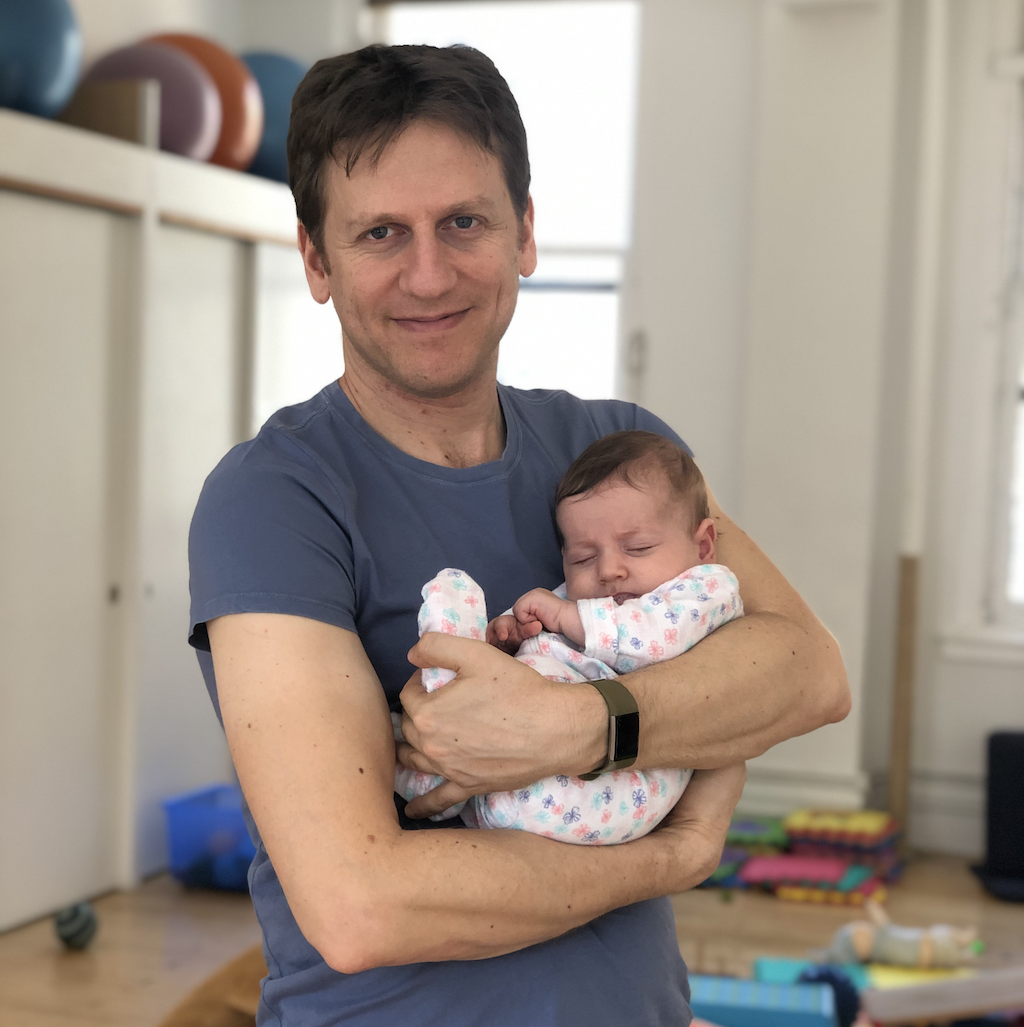
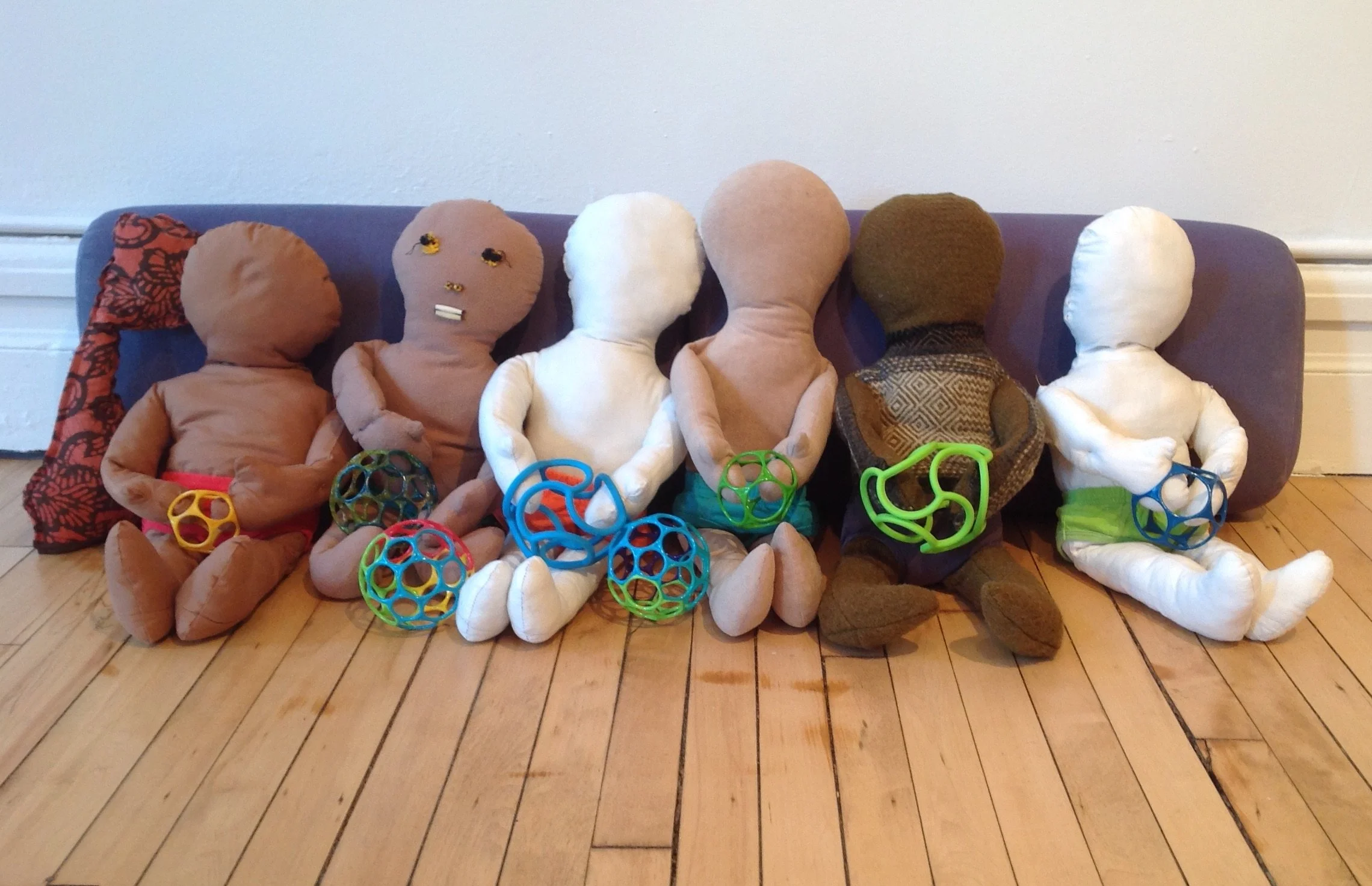
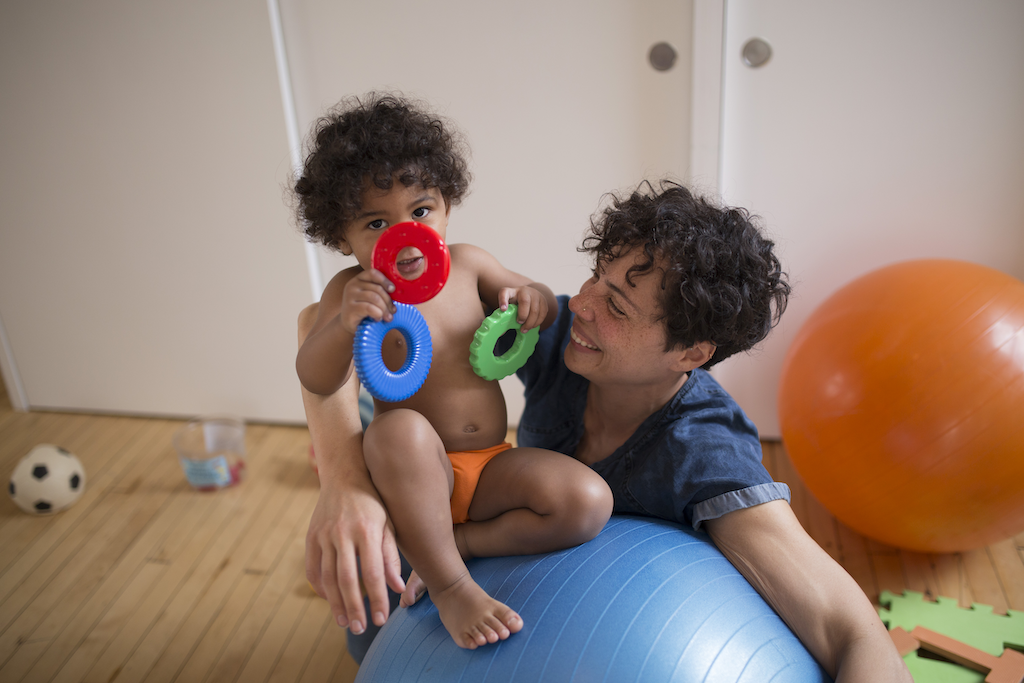
At Babies Project, we often say that if we teach parents and caregivers nothing else in their first session, we teach them “baby ball,” a shorthand term for a recommended way of holding a baby. There’s a lot to unpack about baby ball - it encapsulates our principles, it’s relevant for babies of all ages, and it plays out both physically and metaphorically.
This is the third of four in a series of companion articles and recorded zoom sessions. It is part of our Preparing for Caring project to build awareness and educate about the importance of handling skills in caring for a baby.
Building specifically on the ideas of “baby ball” and “horizontal is home base”, this post looks at the ideas behind one of our specific positioning suggestions – having a baby experience lying on all four surfaces of their body (back, front, left side and right side).
This is the last of four in a series of companion articles and recorded zoom sessions. It is part of our Preparing for Caring project to build awareness and educate about the importance of handling skills in caring for a baby.
In this final post, we’ll apply our principles to the moving transitions involved in picking up, putting down, transferring and repositioning a baby.
We’d like to share a bit of context and history about our handling suggestions. Where did they come from? The short answer is that we didn’t make them up! There’s history behind them, though we do like to think we’ve honed, curated and elaborated upon them over the years.
This is a December 2019 update on our project with Ellyce DiPaola, IDME and EdD candidate at Teacher’s College, Columbia University, which included offering our Preparing for Caring: Touch, Handling & Bonding Practices (PFC) workshop to an Early Head Start community in NYC.
Developmental Movement
Includes articles on movement development and unpacking the underlying philosophy.
We're inspired by the writing of Esther Thelen, a developmental psychologist and multidisciplinary out-of-the-box thinker who applied chaos theory (or dynamic systems theory) to infant development.
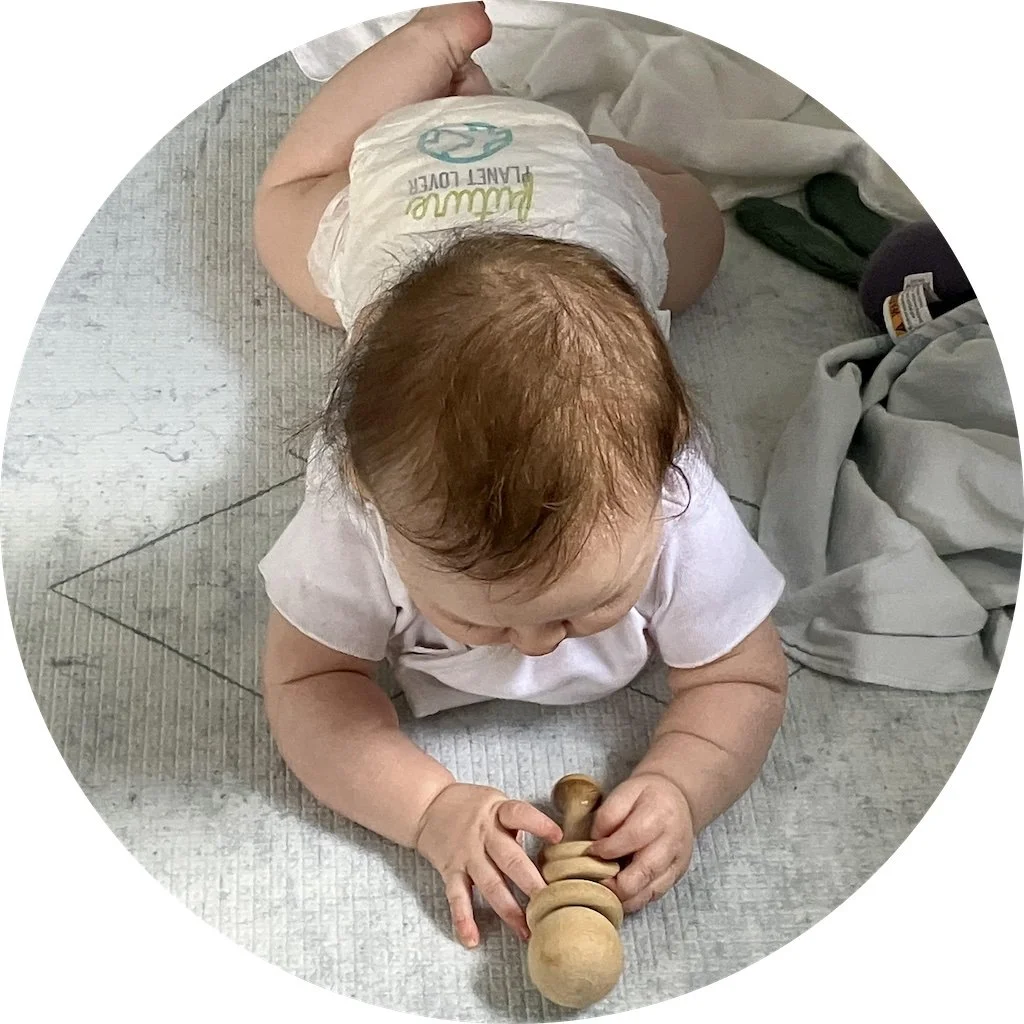
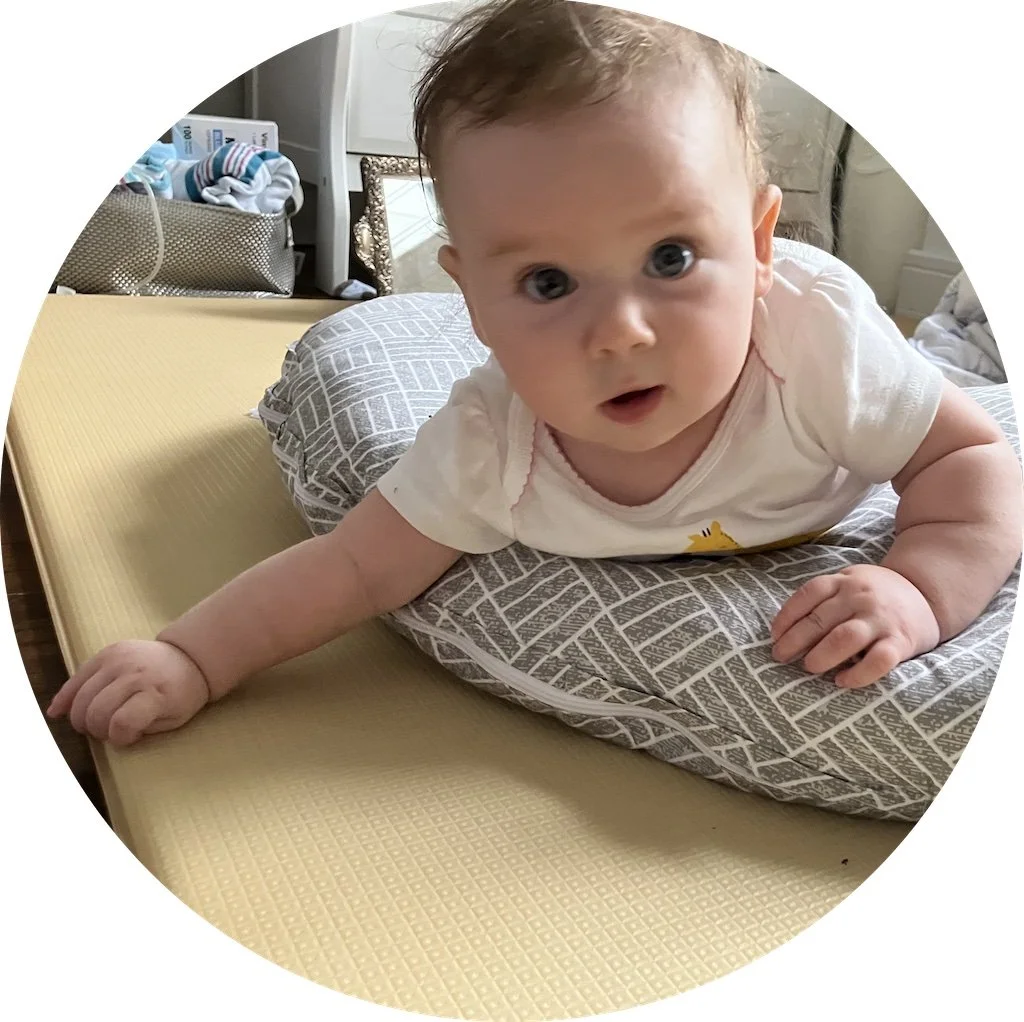
This is a follow-up to our previous Q&A post where we responded to a question about tummy time on a pillow.
We've heard back from the parent, who sent new photos that we're happy to share as they beautifully illustrate our points.
We respond to a question from a mother of a 4-month-old:
Someone told me that it’s good to put babies on top of pillows (on the floor) so they can get perspective and help them develop. I wanted to hear your thoughts on this.
This post is the last in a series of 4 that unpacked our “be with, be a witness, be in relationship” tagline as part of our 2019 fall fundraising campaign.
Why did we choose our tagline and why are we focusing on it now?
This post is the third in a series of 4 that unpacked our “be with, be a witness, be in relationship” tagline as part of our 2019 fall fundraising campaign.
We’re going to continue to unpack our tagline, this time taking on the last sentence, “Be in relationship.” What are some of the ideas and principles packed into this simple statement that are relevant to relating to a baby?
In our work at Babies Project, we meet new people every day. Many of them are babies. We’d like to share what we’ve learned from our experiences, with the support of our values, principles and ongoing conversations and questions. We offer this in the hope that it might lead to more fruitful, mutually enriching meetings between babies of all ages.
This post is the second in a series of 4 that unpacked our “be with, be a witness, be in relationship” tagline as part of our 2019 fall fundraising campaign.
We’ll continue unpacking our tagline, this time focusing on the second sentence, “Be a witness.” That can mean so many things - what do we mean by it?
One of the most common phrases we hear caregivers say to their babies and toddlers is “good job.” We have some thoughts on this ubiquitous expression that we’ve been sharing with parents and caregivers, and we’d like to share our perspective more widely.
This post is the first in a series of 4 that unpacked our “be with, be a witness, be in relationship” tagline as part of our 2019 fall fundraising campaign.
What do we mean by “be with” in our tagline?
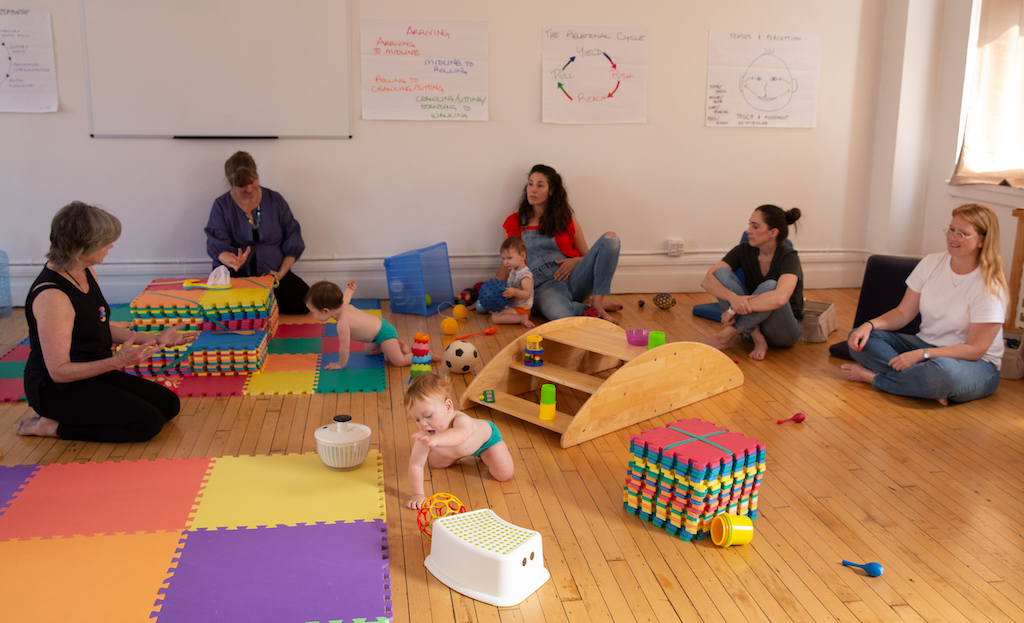
At Babies Project, we offer developmental movement education for "babies of all ages." What do we mean by this?
We have a common personal history. We were all once babies and our earliest experiences as babies are still with us.
A good part of our work at Babies Project involves talking about developmental movement— what it is and why it's important. The topic comes up in our discussions with parents and caregivers who bring their babies to Babies Project, often with questions like these:
“Is my baby on track?"
"Are they behind?"
"Should we be concerned?”
Our topic here is agency and relationship. A baby's development is a relational process. A baby and their primary caregiver(s) are affected by and in turn affect each other. They respond to each other, they co-create their relationship, and they exist within layers and networks of other relationships.
We believe that emergence and agency go together. As we define it, agency is the ability to make choices, to have an impact, and learn from experience. And emergence implies self-creation, arising from within a complex non-linear relationship with the environment.
The study of developmental movement is the study of how we learn to move in our first years of life. In Body-Mind Centering®, we specifically study the basic movement patterns, reflexive pathways and integration of our senses, as well as the progressive layering of rhythms, experiences and relationships that help an infant find a sense of self, integration and ease.
About Us
Includes articles about Babies Project, us, and our background and training.
This post was written in 2018 and describes how Babies Project started.
Sarah Barnaby and Amy Matthews created Babies Project in 2017 as a partnership in offering developmental movement to babies and adults.
Read the bios for Amy Matthews and Sarah Barnaby, co-founders and directors of Babies Project.
Read about our principles and beliefs, which start with:
Babies come in as whole people, not as blank slates.
At Babies Project, the principles we teach, play, facilitate, explore and live from arise from our core values of agency, comfort, curiosity and movement. We believe these values are embedded in developmental movement, and they can guide us to be more responsible, resilient, interdependent, self-regulating and relational.
The study of developmental movement is the study of how we learn to move in our first years of life. In Body-Mind Centering®, we specifically study the basic movement patterns, reflexive pathways and integration of our senses, as well as the progressive layering of rhythms, experiences and relationships that help an infant find a sense of self, integration and ease.
All of our classes for caregivers and their babies are taught by IDMEs (Infant Developmental Movement Educators) who have been trained and certified by the School for Body-Mind Centering, and are Professional Members of the Body-Mind Centering® Association.
IDME training includes four core developmental movement courses in addition to two 10-day modules focused on working with infants. This training takes place over several years and includes over 500 hours of course work, observations and sessions.
Body-Mind Centering® is an integrated and embodied approach to movement, the body and consciousness. Developed by Bonnie Bainbridge Cohen, it is an experiential study based on the embodiment and application of anatomical, physiological, psychophysical and developmental principles, utilizing movement, touch, voice and mind. Its uniqueness lies in the specificity with which each of the body systems can be personally embodied and integrated, the fundamental groundwork of developmental repatterning, and the utilization of a body-based language to describe movement and body-mind relationships.
Guidelines
Includes guidelines we developed and shared with caregivers and observers who participated in our by donation Babies and Toddlers sessions, 2015-2023.
We welcomed observers to participate in our by-donation Babies! sessions when we had our space in Manhattan. These guidelines were sent to observers before their first visit.
We developed these guidelines as a way to help orient families to our approach and our space. They were sent to caregivers before their first visit to our weekly Toddlers session when we had our space in Manhattan (2017-2023).
We developed these guidelines as a way to help orient families to our approach and our space. They were sent to caregivers before their first visit to our by-donation Babies! sessions in our space in Manhattan (2017-2023).
News
Includes past news and announcements.
This is our announcement about moving out of our space in Manhattan at the end of March 2023.
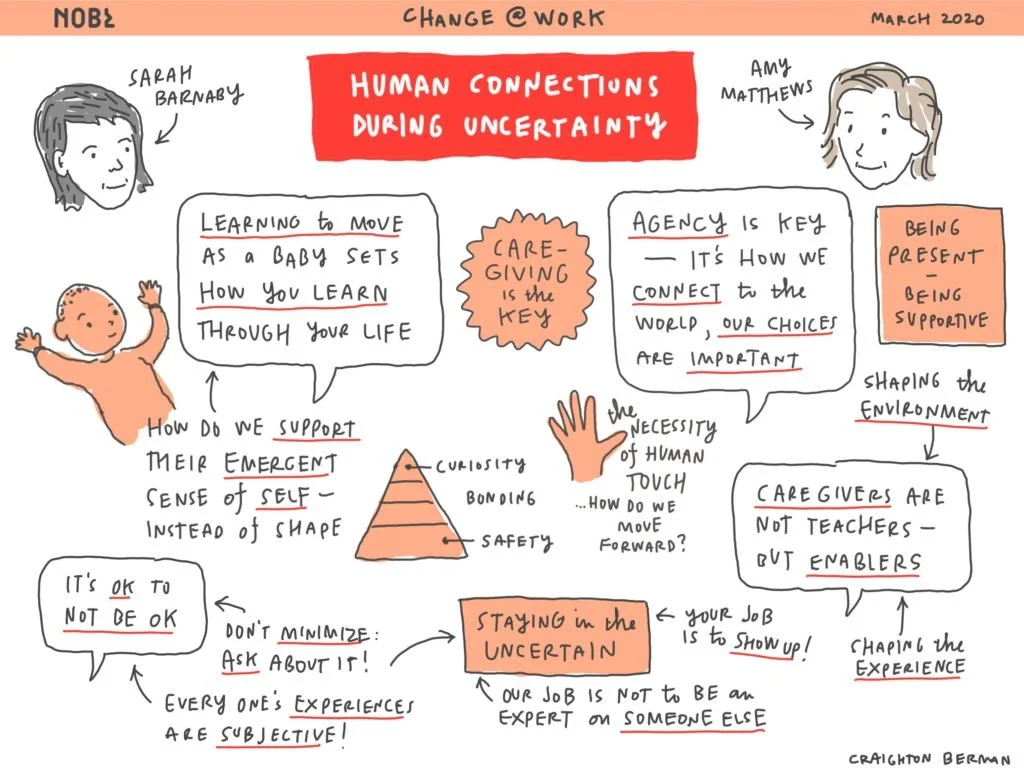
We're honored to have been included in a virtual conference in March 2020 called Change at Work: Leadership, Resilience, and Remote Work in a Post-COVID World. It was hosted by NOBL, an organizational design firm.
We talked about our philosophy and values, and our focus on teaching touch and handling skills to parents and other caregivers. See the amazing visual summary created by Craighton Berman.
This post includes our updates during the first few weeks of the pandemic.
This is the first of four in a series of companion articles and recorded zoom sessions. It is part of our Preparing for Caring project to build awareness and educate about the importance of handling skills in caring for a baby.
We have built our work at Babies Project around the progressive states of safety, orientation, comfort, bonding and curiosity. In this post, we unpack these ideas.