
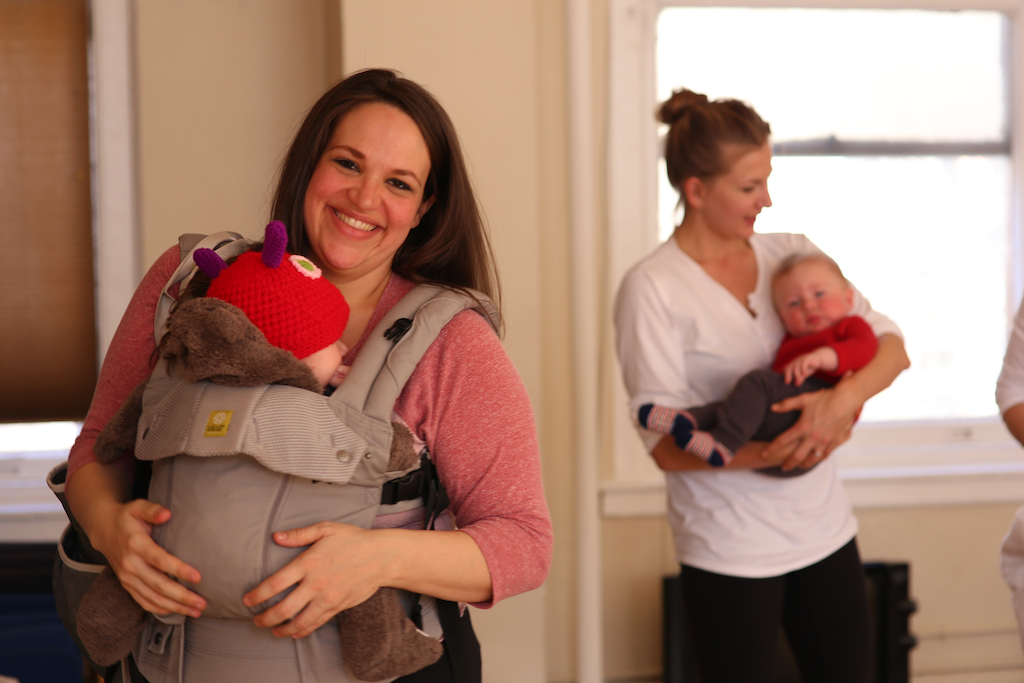
1. Guiding Principles: Safety, Orientation, Comfort, Bonding and Curiosity
This is the first of four in a series of companion articles and recorded zoom sessions. It is part of our Preparing for Caring project to build awareness and educate about the importance of handling skills in caring for a baby.
We have built our work at Babies Project around the progressive states of safety, orientation, comfort, bonding and curiosity. In this post, we unpack these ideas.
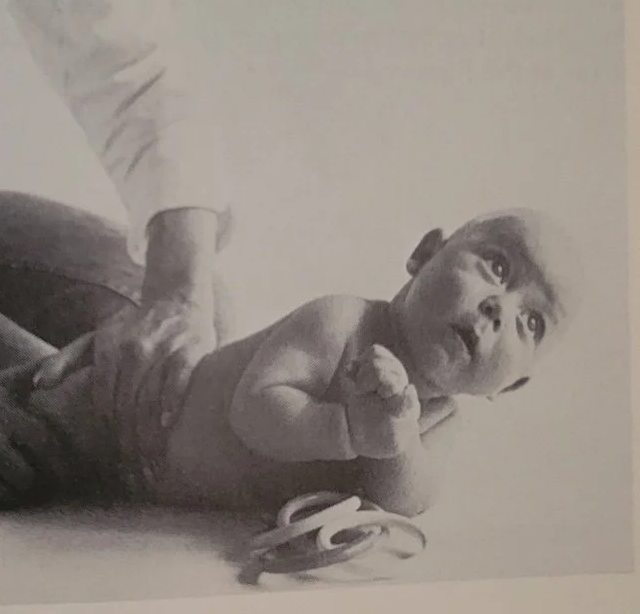
Handling Practices: Some Historical Context
We’d like to share a bit of context and history about our handling suggestions. Where did they come from? The short answer is that we didn’t make them up! There’s history behind them, though we do like to think we’ve honed, curated and elaborated upon them over the years.
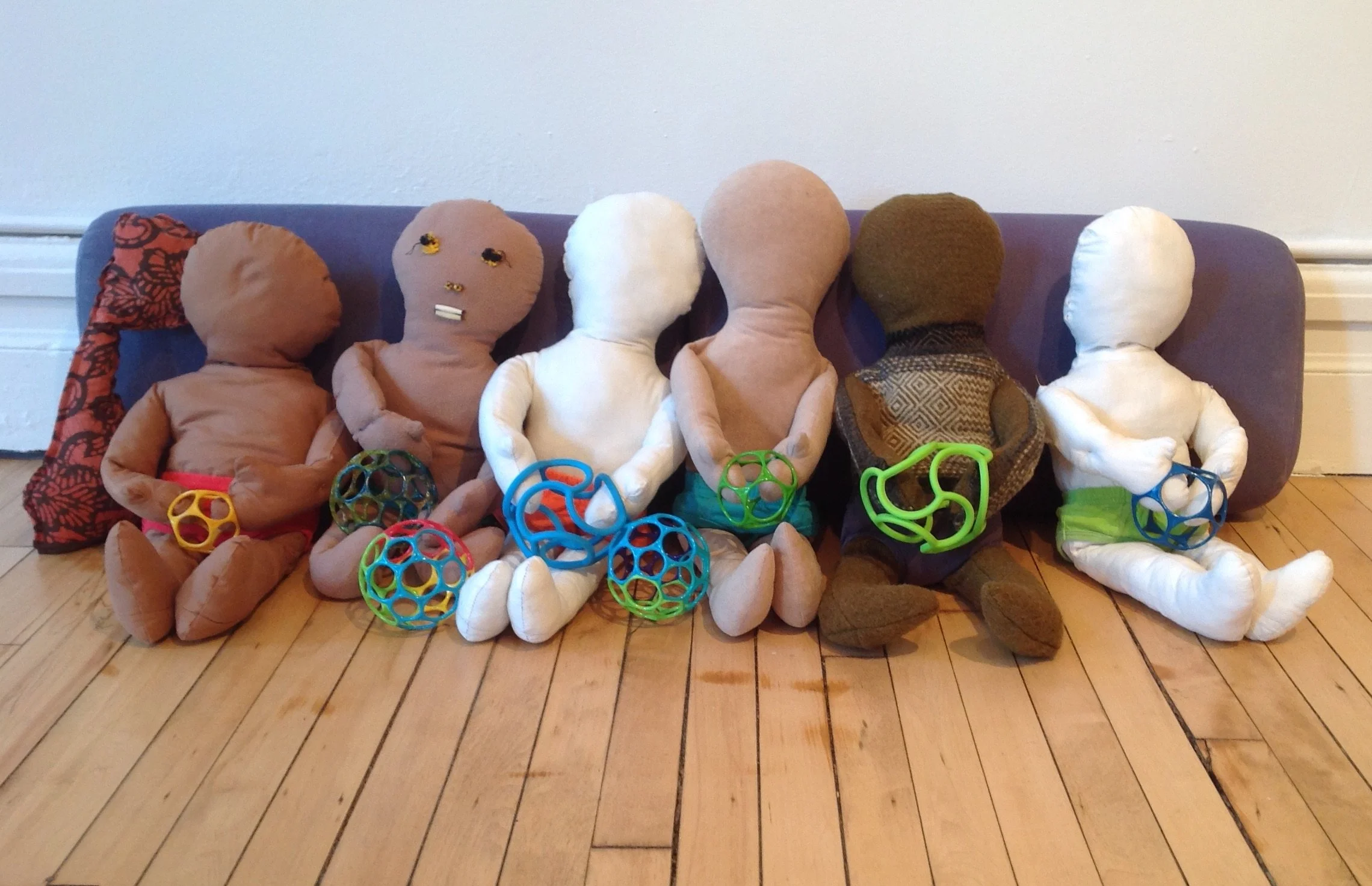
Update: Preparing for Caring at Early Head Start
This is a December 2019 update on our project with Ellyce DiPaola, IDME and EdD candidate at Teacher’s College, Columbia University, which included offering our Preparing for Caring: Touch, Handling & Bonding Practices (PFC) workshop to an Early Head Start community in NYC.

Our Principles
Read about our principles and beliefs, which start with:
Babies come in as whole people, not as blank slates.
Our Values (the long form)
At Babies Project, the principles we teach, play, facilitate, explore and live from arise from our core values of agency, comfort, curiosity and movement. We believe these values are embedded in developmental movement, and they can guide us to be more responsible, resilient, interdependent, self-regulating and relational.
About Infant Developmental Movement Education (IDME)
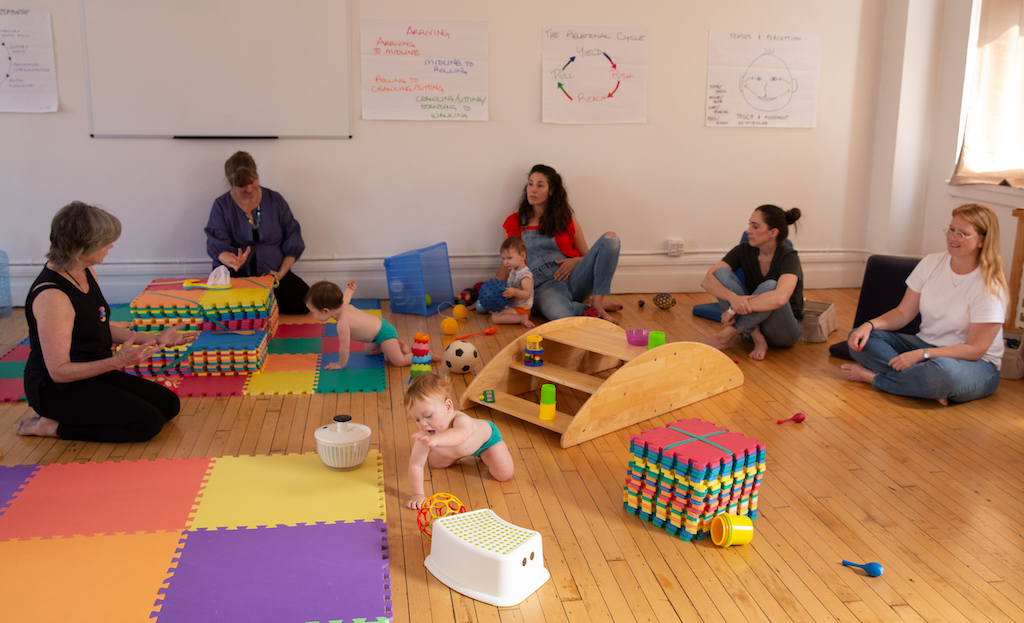
All of our classes for caregivers and their babies are taught by IDMEs (Infant Developmental Movement Educators) who have been trained and certified by the School for Body-Mind Centering, and are Professional Members of the Body-Mind Centering® Association.
IDME training includes four core developmental movement courses in addition to two 10-day modules focused on working with infants. This training takes place over several years and includes over 500 hours of course work, observations and sessions.